
One of the biggest challenges faced on construction sites is shuttering ply swelling and delamination due to water exposure. This is where waterproof shuttering ply plays a crucial role.
In this blog, we explain how waterproof shuttering ply is manufactured, how it resists moisture, and why it performs better than ordinary plywood in demanding construction environments.
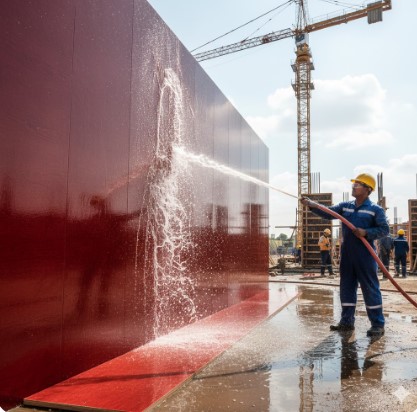
What Is Waterproof Shuttering Ply?
Waterproof shuttering ply is a specially engineered plywood designed for use in RCC formwork where it is continuously exposed to water, cement slurry, and harsh weather conditions.
It is manufactured using phenol-formaldehyde resin, hardwood veneers, and high-pressure bonding techniques that prevent water penetration into the core.
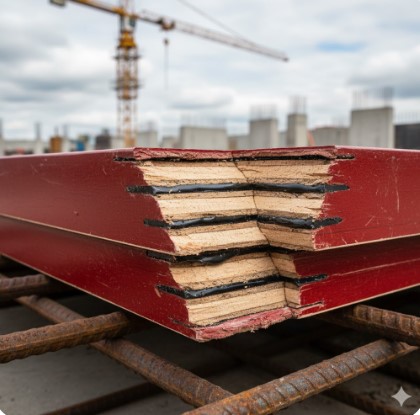
How Swelling Happens in Ordinary Shuttering Ply
Swelling occurs when water enters the plywood through edges, surface cracks, or poor bonding between layers. Once moisture reaches the core, the veneers expand, causing permanent deformation.
- Poor-quality resin bonding
- Unsealed edges
- Low-density core veneers
- Repeated exposure to water
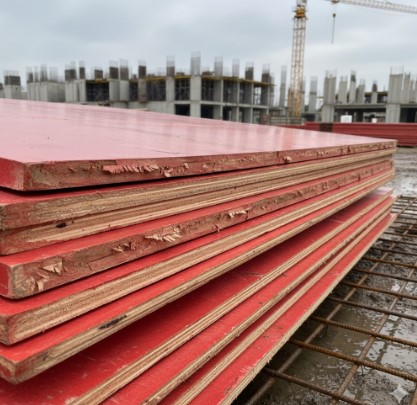
How Waterproof Shuttering Ply Prevents Swelling
Waterproof shuttering ply prevents swelling by creating a moisture-resistant barrier across the entire board. This protection comes from a combination of material quality and manufacturing precision.
- Phenolic resin that blocks water penetration
- High-pressure hot pressing
- Calibrated thickness for uniform density
- Sealed and treated edges
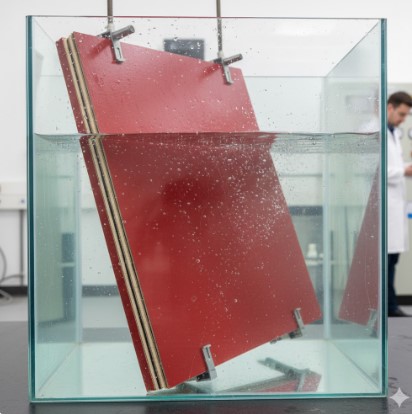
What Is Delamination and Why It Happens
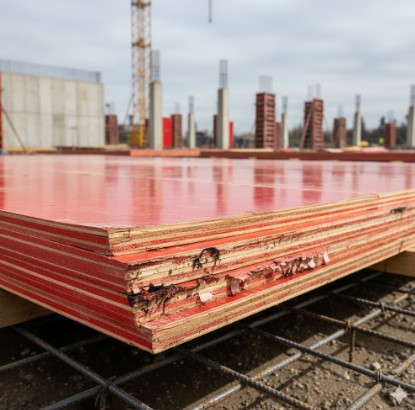
Delamination is the separation of plywood layers caused by weak bonding or prolonged moisture exposure. Once delamination starts, shuttering ply loses its load-bearing capacity.
This is a common failure seen in non-waterproof or low-grade shuttering ply.
How Waterproof Shuttering Ply Prevents Delamination
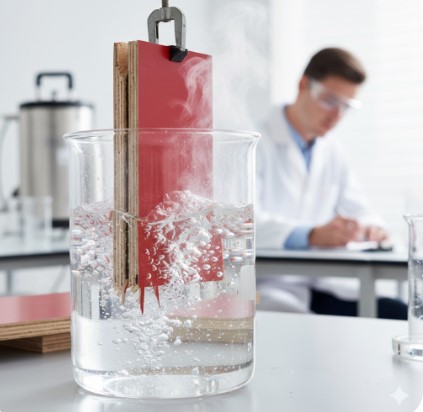
Waterproof shuttering ply uses BWP-grade phenolic resin that maintains bonding strength even after boiling water exposure.
- Boiling Water Proof (BWP) bonding
- Uniform resin spread across veneers
- Controlled pressing temperature
- Quality-tested bonding cycles
Benefits of Using Waterproof Shuttering Ply
- Prevents edge swelling and warping
- Delivers smooth concrete finish
- Higher reuse cycles (25–40 uses)
- Lower replacement cost
- Reliable performance during monsoon
Conclusion
Waterproof shuttering ply is not just a premium option — it is a necessity for modern construction. Its ability to prevent swelling and delamination ensures safety, durability, and cost efficiency.
Choosing high-quality waterproof shuttering ply from trusted manufacturers like Salha Ply guarantees consistent performance and long-term value on every construction site.